
Make the work,mind the numbers
Studio hours, strings and reeds, canvas and clay, merch runs, fuel between gigs — creative careers run on small purchases. Scan each receipt and the art stays a business.

How Receni helps
Built-in answers for musicians & artists
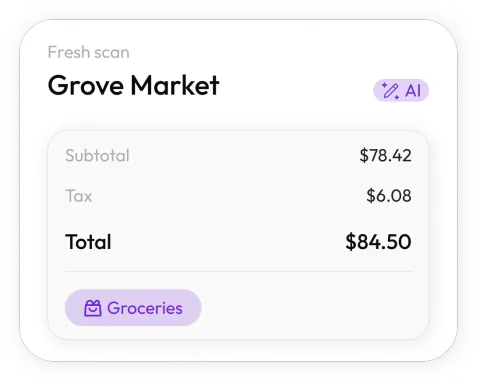
Scan at the counter
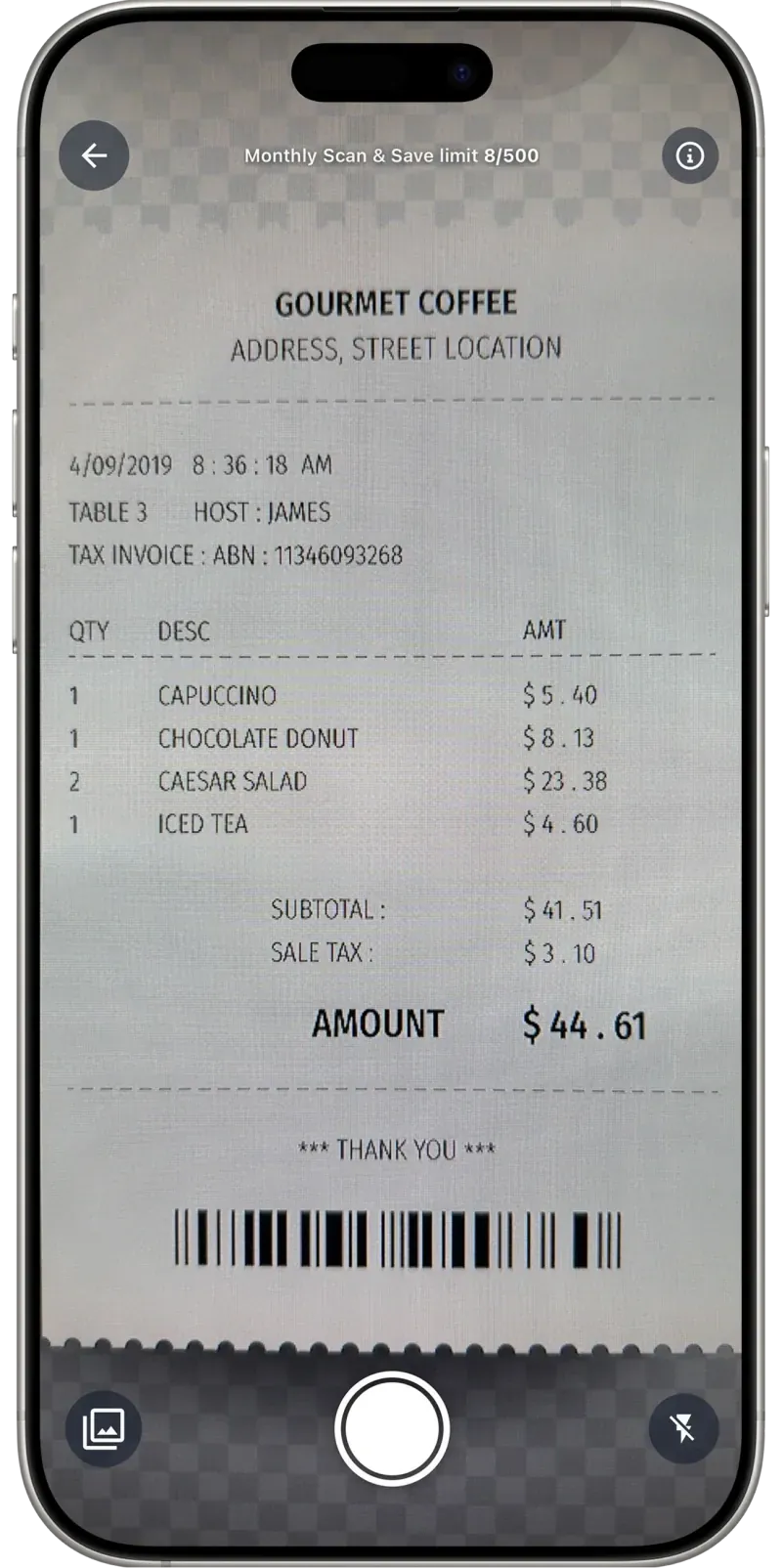
Snap the art-store or music-shop receipt before it hits the bag. Receni's AI reads merchant, date, total, and category in seconds.
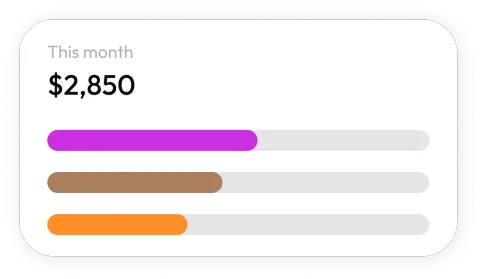
A workspace per project
The album, the gallery show, the tour — each gets its own space. See what a project really cost, separate from day-to-day spending.
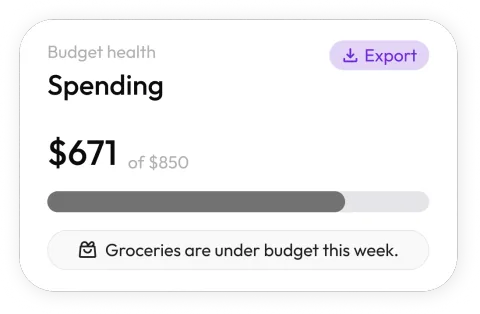
Cost per craft, by month
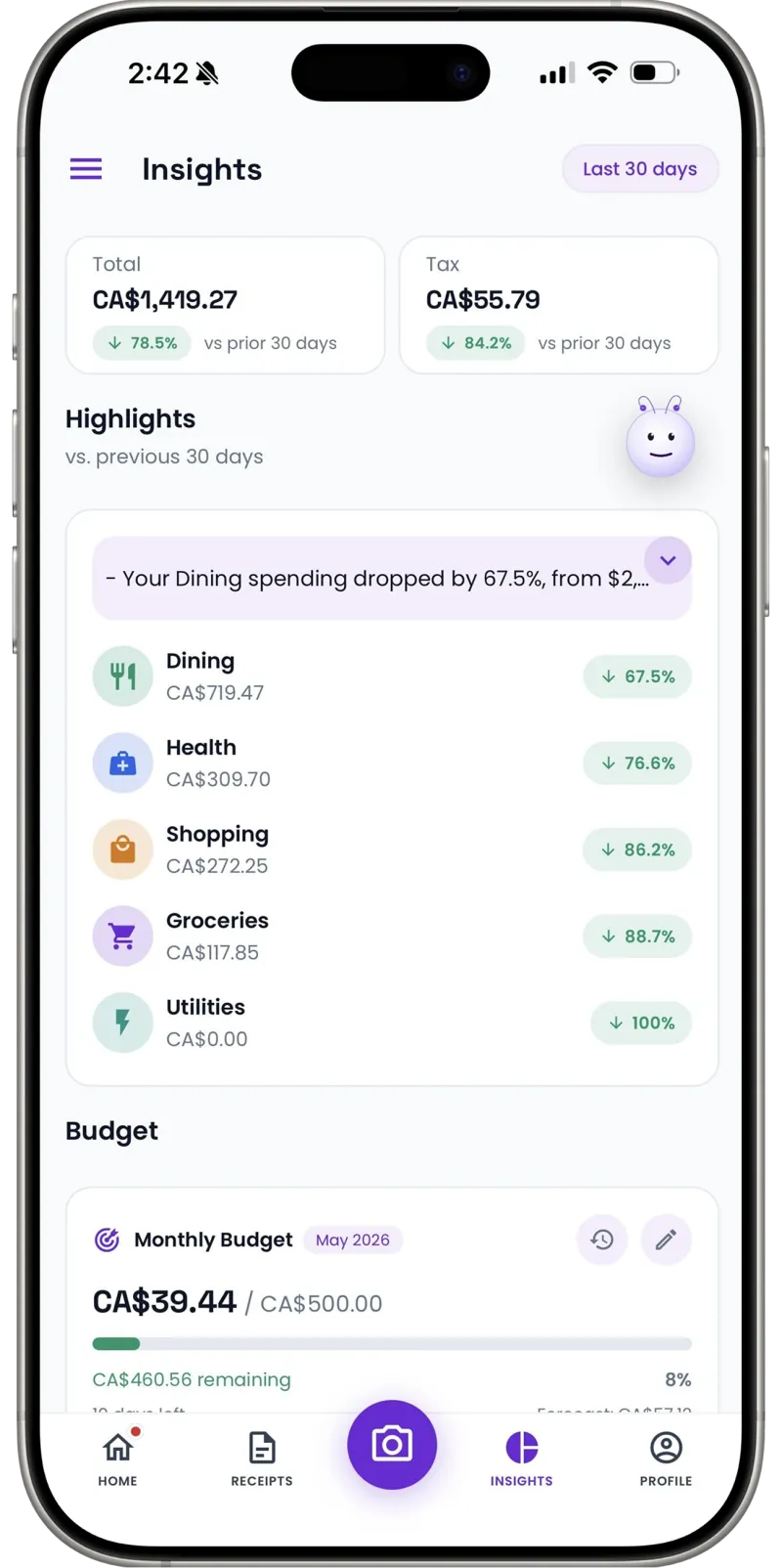
Dashboards break spending into gear, supplies, studio time, and travel by month — so pricing commissions and gigs stops being a guess.
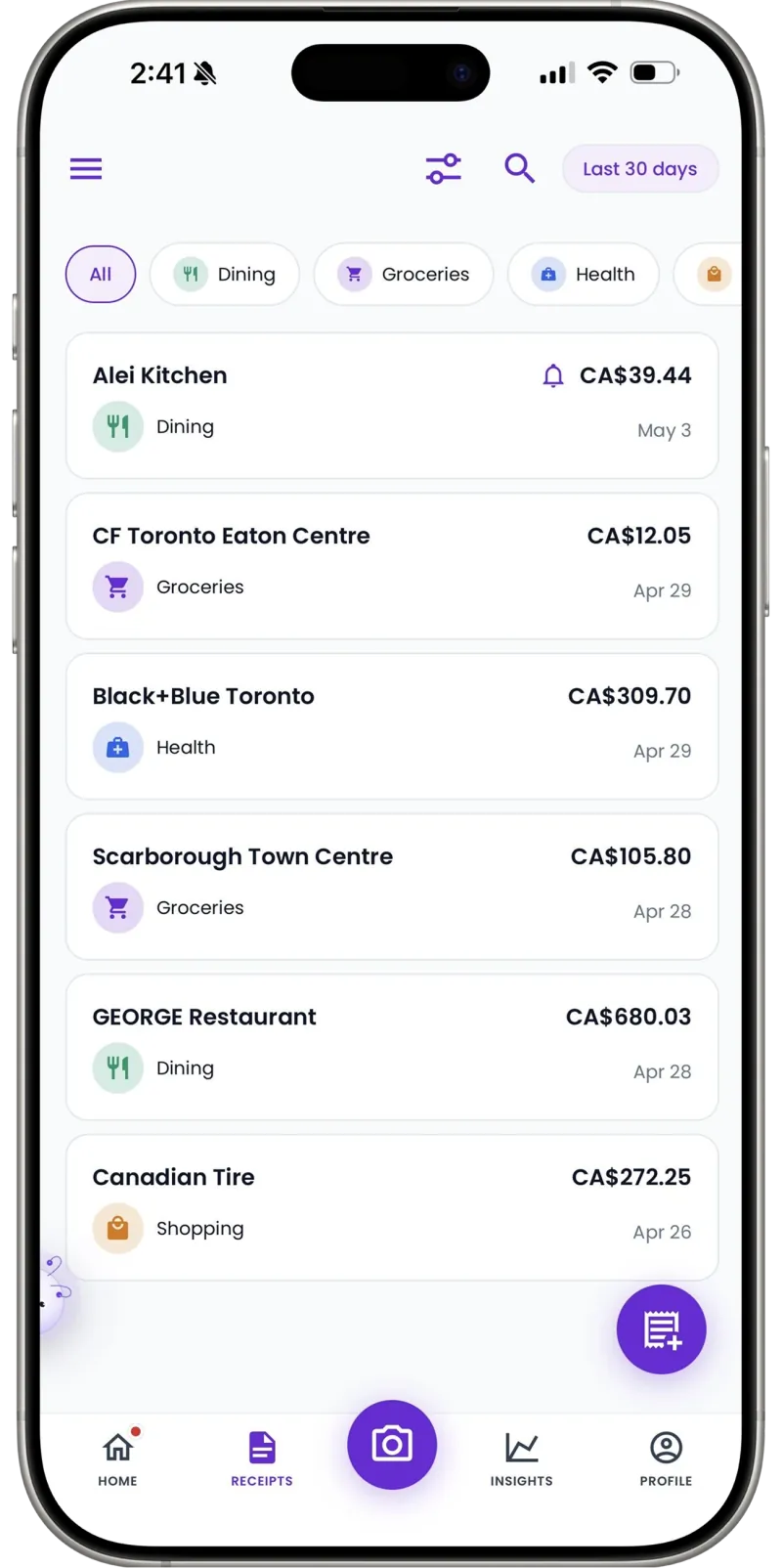
April in one export
Export the year's categorized expenses as a clean CSV for your tax preparer — every string, tube of paint, and studio hour itemized.
Cash and classifieds counted
A used amp from a meetup, a cash tip to the sound tech — add them manually in seconds so gig-night records stay complete.
Touring across borders
Playing dates abroad or buying materials overseas? Receipts record in the currency you paid, so tour books stay accurate.
Sound familiar?
The starving-artist myth runs on lost receipts
A hundred small purchases a year
Paint, picks, printer ink, a pedal from a classifieds meetup — creative supplies are frequent, small, and paid from whatever card was closest. None of it gets recorded.
Gigs pay in cash, costs hide in cash
Merch-table floats, tips to sound engineers, parking at the venue — cash moves both ways on gig night, and the spending half rarely makes it into any record.
Hobby-loss questions need answers
Running your art as a business means showing business-like records. A clean, dated expense history is exactly what separates a practice from a pastime on paper.
From the green room to the studio
Creative expenses worth a receipt
The 'ordinary and necessary' test covers more of a working artist's spending than most artists claim. The big amp purchase gets remembered; it's the constant small stuff that leaks.
Instruments & gear
Bodies, pedals, kilns, easels. Whether a purchase is expensed or depreciated is your preparer's call — the dated receipt keeps both options open.
Consumables
Strings, reeds, drumheads, paint, clay, printer ink. Small, constant, and the single most under-claimed category in creative work.
Studio & rehearsal time
Recording hours, rehearsal-room rent, kiln firing fees. If the invoice arrives by email, screenshot it and scan the image.
Merch production
Shirt runs, vinyl pressing, print editions. Merch receipts belong with the project they support, so the merch table's real margin shows.
Travel between gigs
Fuel, tolls, parking at the venue, the motel between tour dates. Meals on the road have their own tax rules — keep the receipts and let your preparer apply them.
Repairs & maintenance
A re-fret, a cracked-screen fix on the interface laptop, camera servicing. Repair shops still hand out paper — scan it before it fades.
Lessons & training
Coaching and courses that sharpen the craft you already sell can count. Keep the receipt with a note on what it was for.
Promotion
Website hosting, EPK services, paid playlist pitching, show posters. Marketing an act is a business expense like any other.
Every situation is different — what's deductible depends on how you work. Receni keeps the records; your tax professional makes the call.
Steal this setup
Give every project its own books
Creative money makes sense per project, not per month. A workspace per body of work turns 'where did it all go' into a line-item answer.
Studio hours, session players, mixing, mastering, artwork. When the EP ships, you know exactly what it cost — and what streaming has to earn back.
Fuel, motels, venue parking, merch restock on the road. Settle the tour's books from the van, not from memory in April.
Framing, materials, shipping work to the space, opening-night costs. Each show's margin stops being a mystery.
Day-to-day supplies can live in a general business workspace — projects get their own when the spending starts.
I always claimed the big stuff and lost the rest. A year of scanning every supply run showed me I'd been leaving hundreds in materials undeducted — and my project workspaces finally told me what the album actually cost.
30
Free AI scans a month — covers a typical month of supply runs
Unlimited
Manual entries for cash gigs and meetup buys on every plan
1 tap
CSV export at tax time
FAQ
Musicians & artists questions, answered
Yes — create a workspace per project and scan studio, materials, and travel receipts straight into it. When the project wraps, its full cost history is one export away.
More industries
Receni works your way, whatever the work
Ready when you are
Keep making the work. Receni keeps the books.
Download Receni free and scan your next supply run before you leave the store.