Make Personal Finance Management Simpler and Start Saving Smarter
CanDev Team
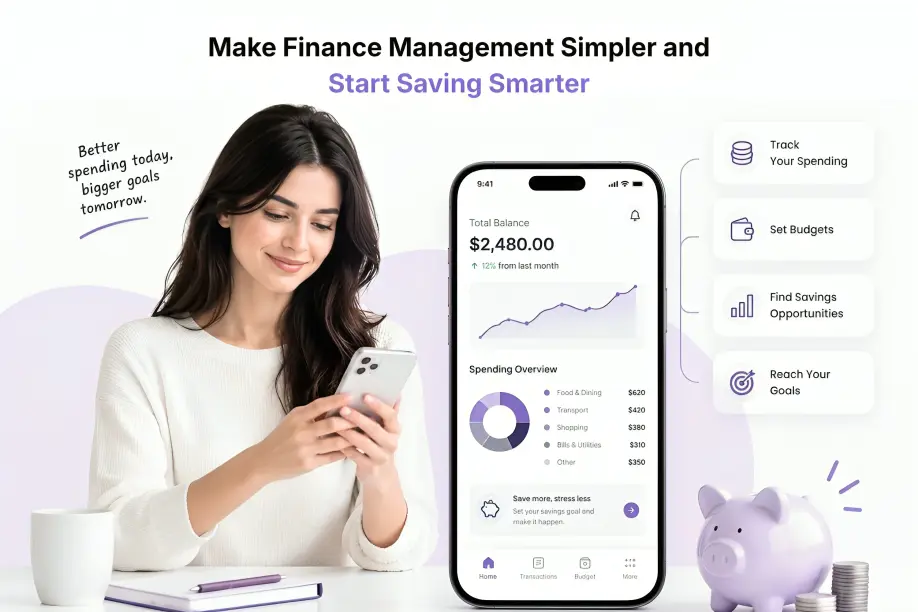
Table of contents
Make personal finance management easier with the right app. Track spending, set realistic budgets, manage expenses, and start saving smarter.
Managing money is not always difficult because you earn too little. Sometimes, the bigger problem is not knowing exactly where your money goes.
A few small purchases here, a subscription there, an unexpected bill, and suddenly the amount left at the end of the month is much smaller than expected.
That is where a personal finance management app can make a real difference. Instead of relying on memory or checking several statements at the end of the month, you can keep your spending organized and use real numbers to make better decisions.
The goal is not to track every cent just for the sake of tracking. It is to understand your spending well enough to decide what should change.
1. Why Managing Personal Finances Feels Harder Than It Should
Most people already know the basics of managing money: spend less than you earn, pay your bills, and save regularly.The difficult part is doing this consistently.
Your spending may come from several places:
Groceries and household purchases
Rent or mortgage
Transportation
Subscriptions
Dining and entertainment
Online shopping
Business or freelance expenses
Occasional large purchases
When these expenses are spread across cards, cash, receipts, and different accounts, it becomes difficult to see the full picture.
The Consumer Financial Protection Bureau recommends looking at your actual spending over time and including less frequent expenses when building a realistic budget.
That is an important distinction: your financial plan should reflect your real life, not an ideal version of it.
2. How a Personal Finance Management App Can Help You
A useful app should do more than display a list of transactions.
It should help you answer questions such as:
Where did most of my money go this month?
Which categories are increasing?
How much have I already spent?
Am I staying within my limits?
Which expenses can I reduce?
How much can I realistically save?
This is where a personal finance app becomes more useful than a simple notes app or spreadsheet.
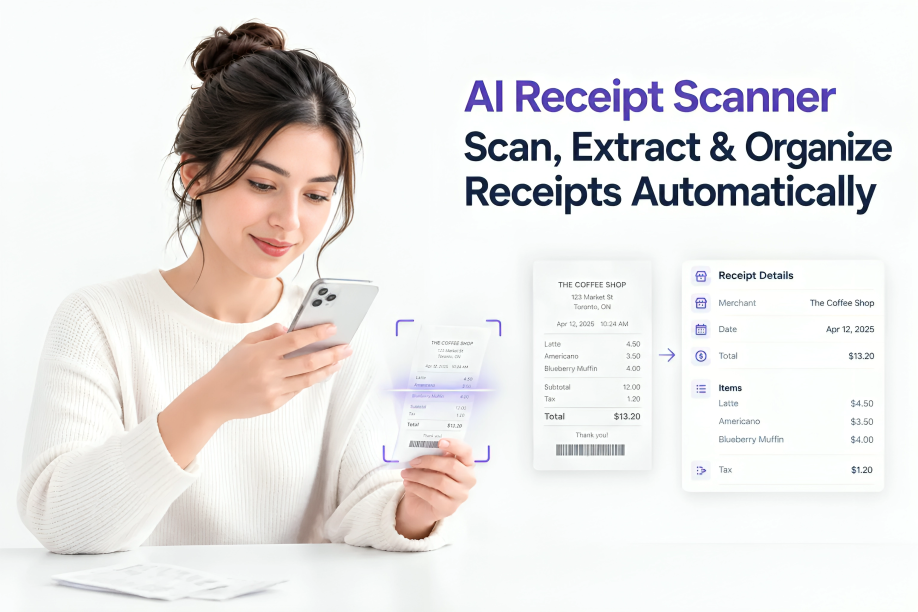
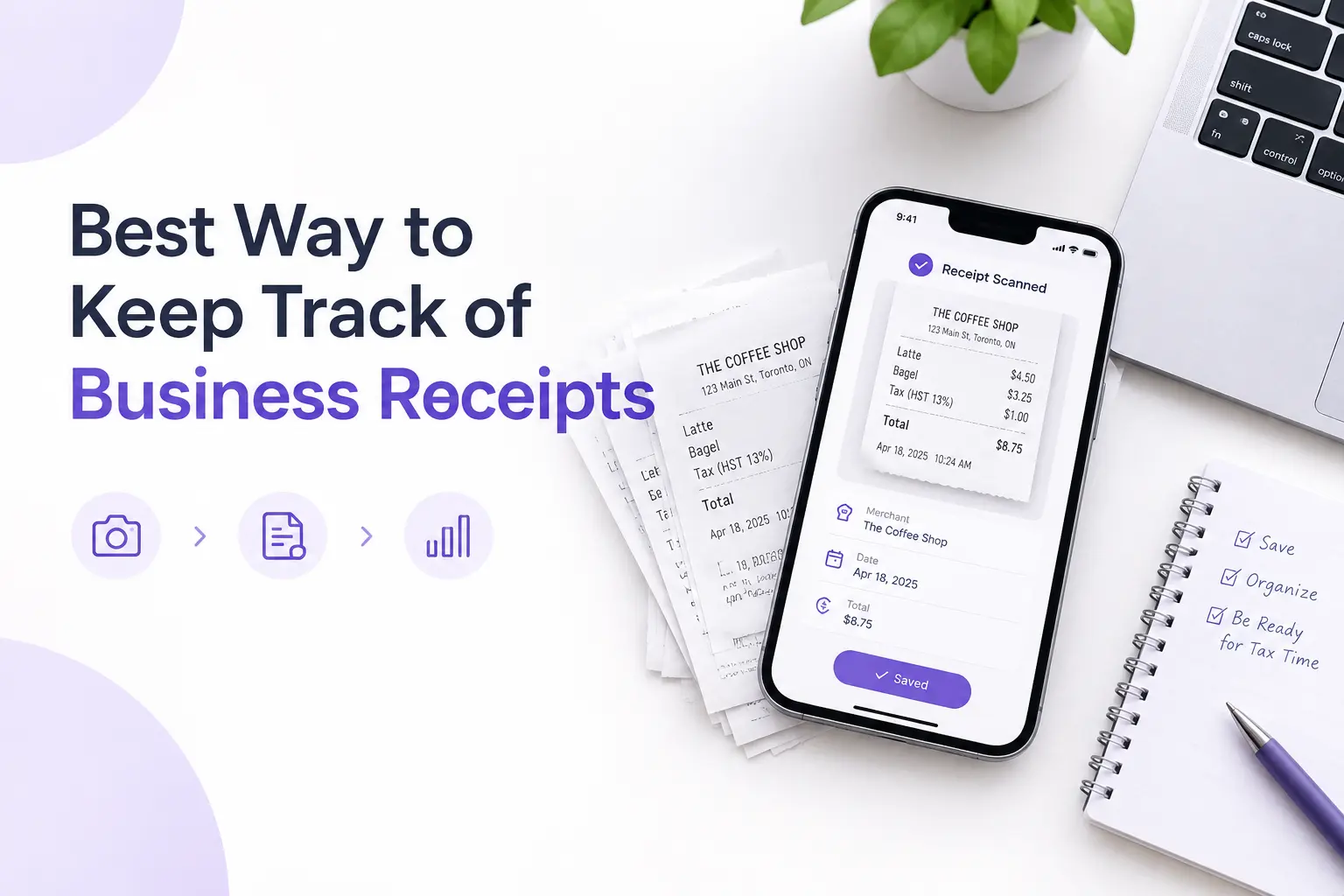
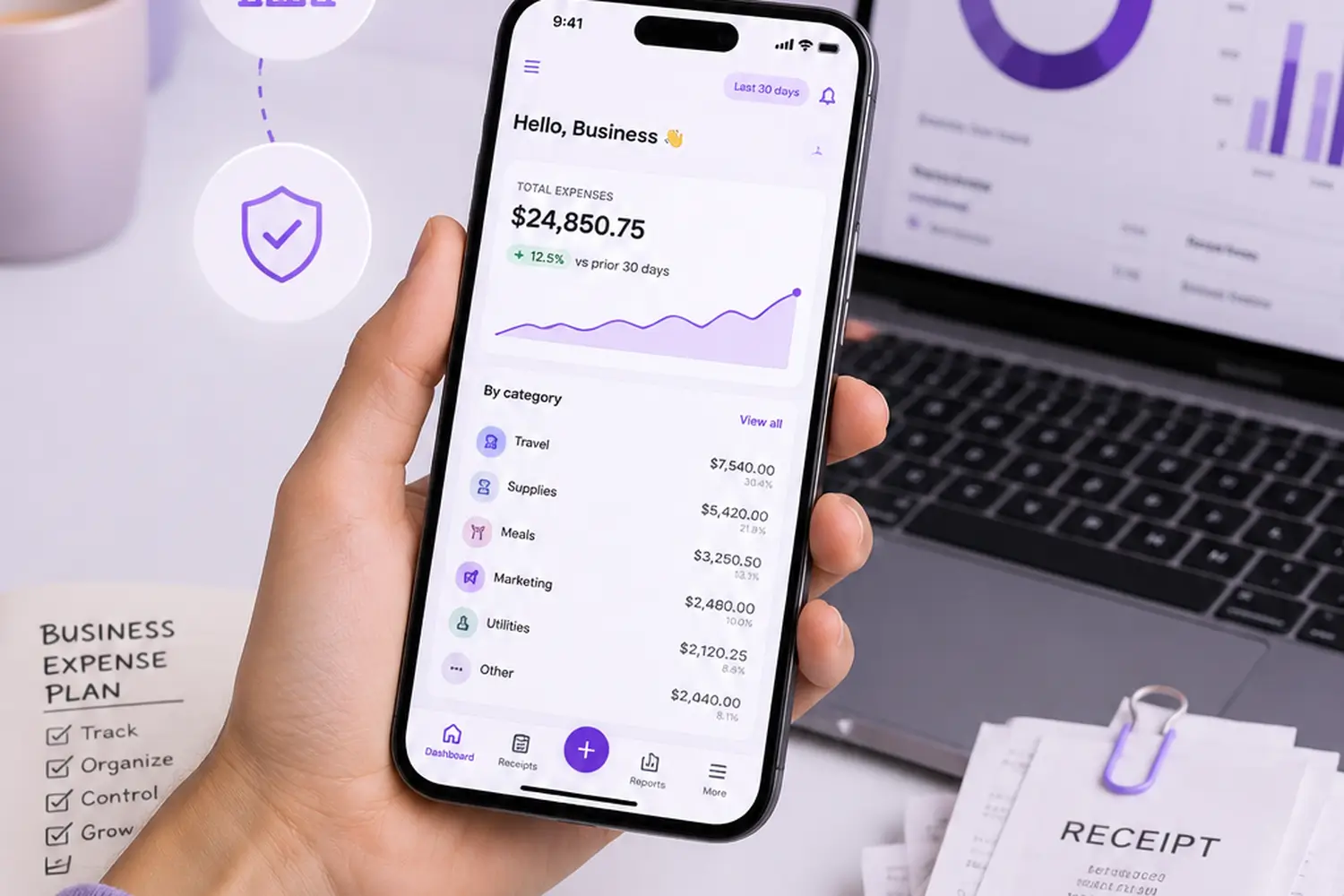
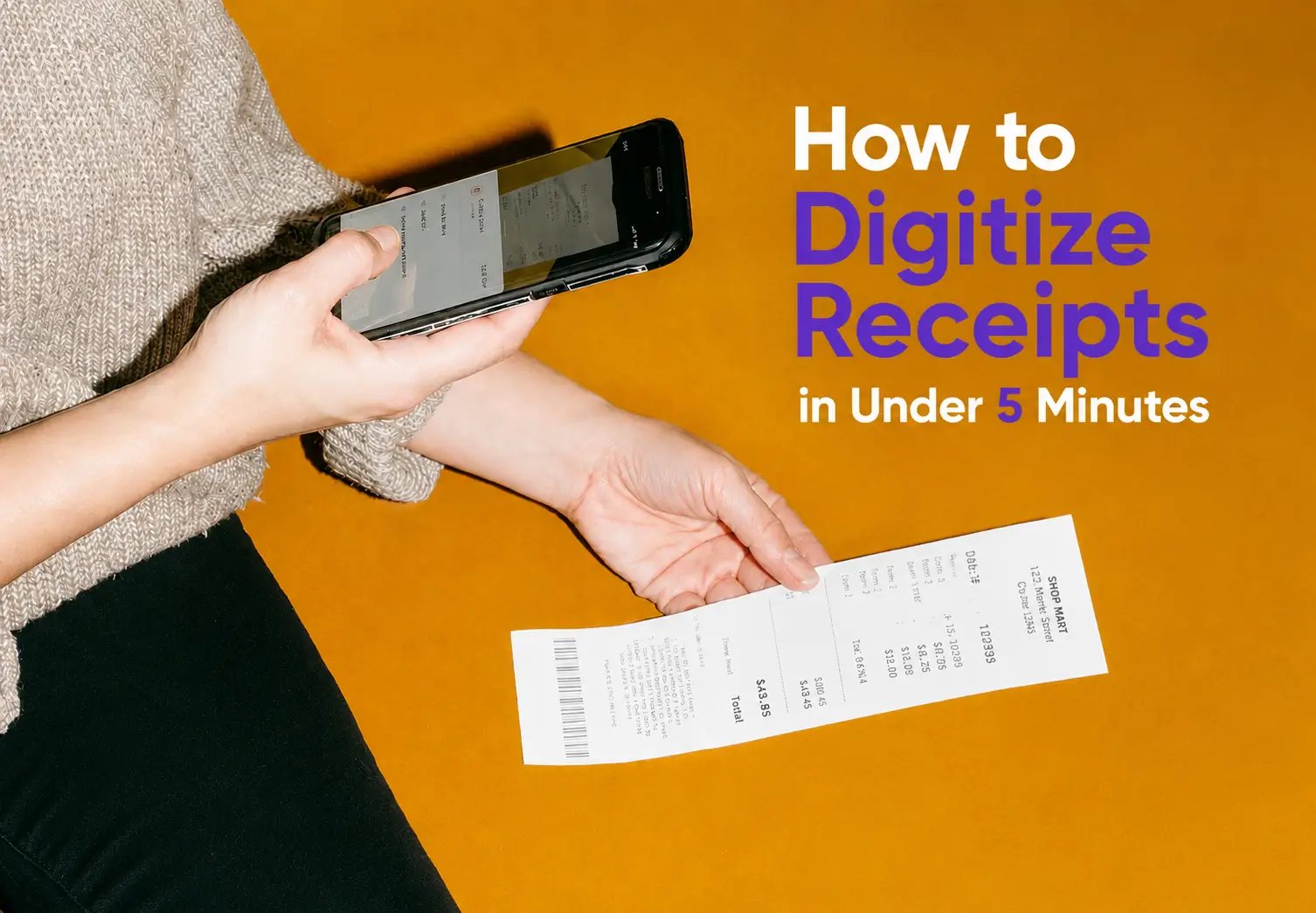
For example, Receni lets you capture receipts and automatically extract information such as the merchant, date, tax, and total. You can then see spending through dashboards, categories, and date ranges.
The benefit is not simply saving receipts. It is turning those receipts into information you can actually use.
If you are looking for an app to manage personal finances, features such as expense categorization, budgets, spending insights, and easy data review, Receni can be more valuable than having dozens of complicated financial tools.
3. Start With Your Real Spending, Not an Ideal Budget
One of the most common budgeting mistakes is creating a target before understanding your current spending.
For example, you may decide that you will spend only $300 on groceries next month. But if your actual average is closer to $450, the budget starts with a problem.
Instead, look at your spending first.Track one full month without trying to completely change your habits. Then ask:
What are my biggest fixed expenses?
Which categories change from month to month?
Where am I spending more than expected?
Which purchases are necessary?
Which expenses could realistically be reduced?
The FDIC describes a budget as a plan that brings together income, expenses, and savings goals.
That makes a personal finance management app especially useful when it helps you build budgets from actual spending rather than guesses.
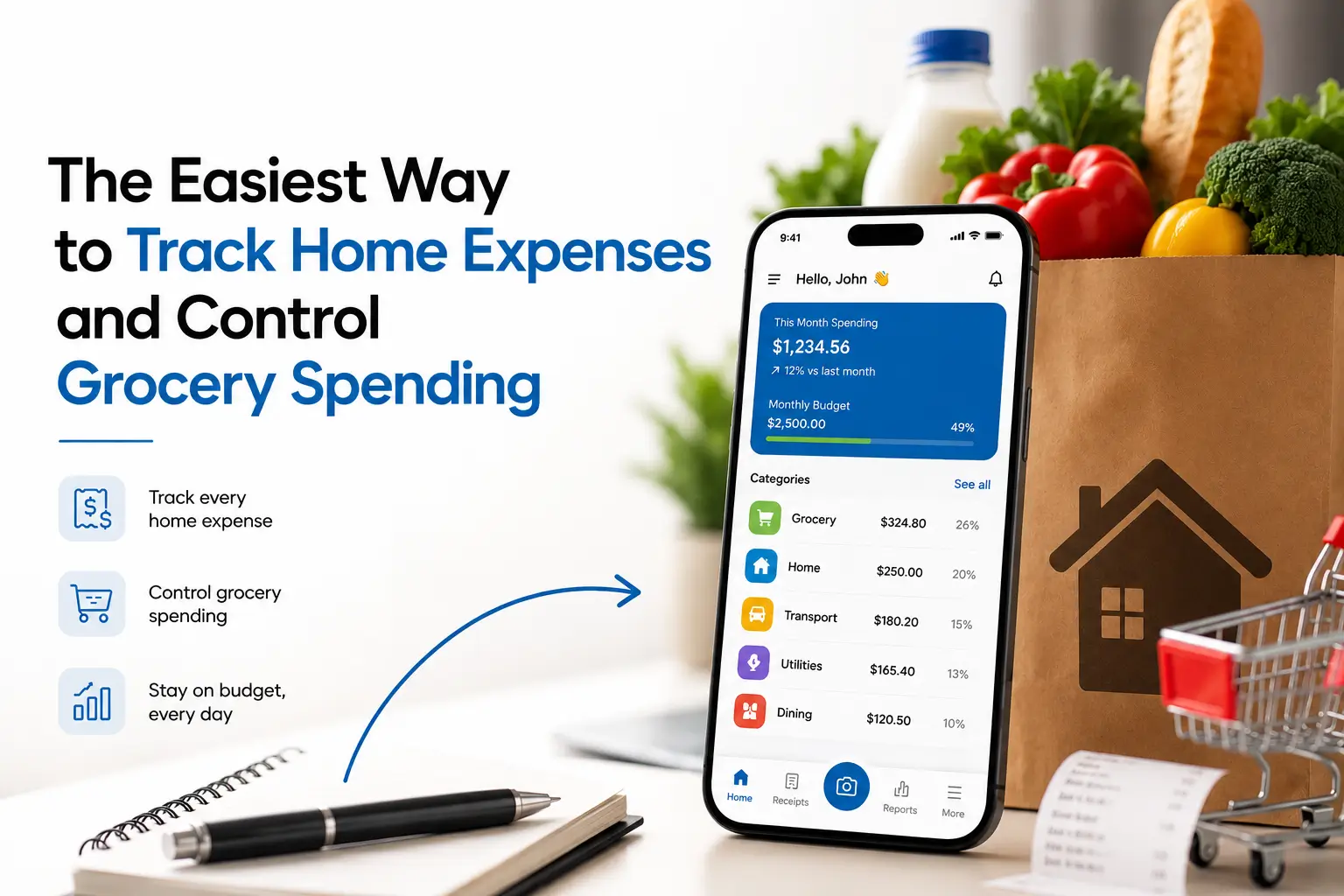
Receni's budget tracker, for example, is designed around real receipt data. You can set monthly limits by category and see progress as expenses are added.
This makes the next month's budget easier to set because you have evidence behind the number.
4. Manage Personal and Business Spending Without Mixing Them Up
If you freelance, run a small business, or have a side income, personal and business spending can become difficult to separate.
You might buy something for work using a personal card or pay for a personal purchase from a business account. At the time, it may seem harmless. Months later, figuring out what was actually a business expense can become frustrating.
This is where a personal money management app Receni with separate workspaces can help.
Instead of creating completely separate systems, you can keep your financial records organized by purpose.
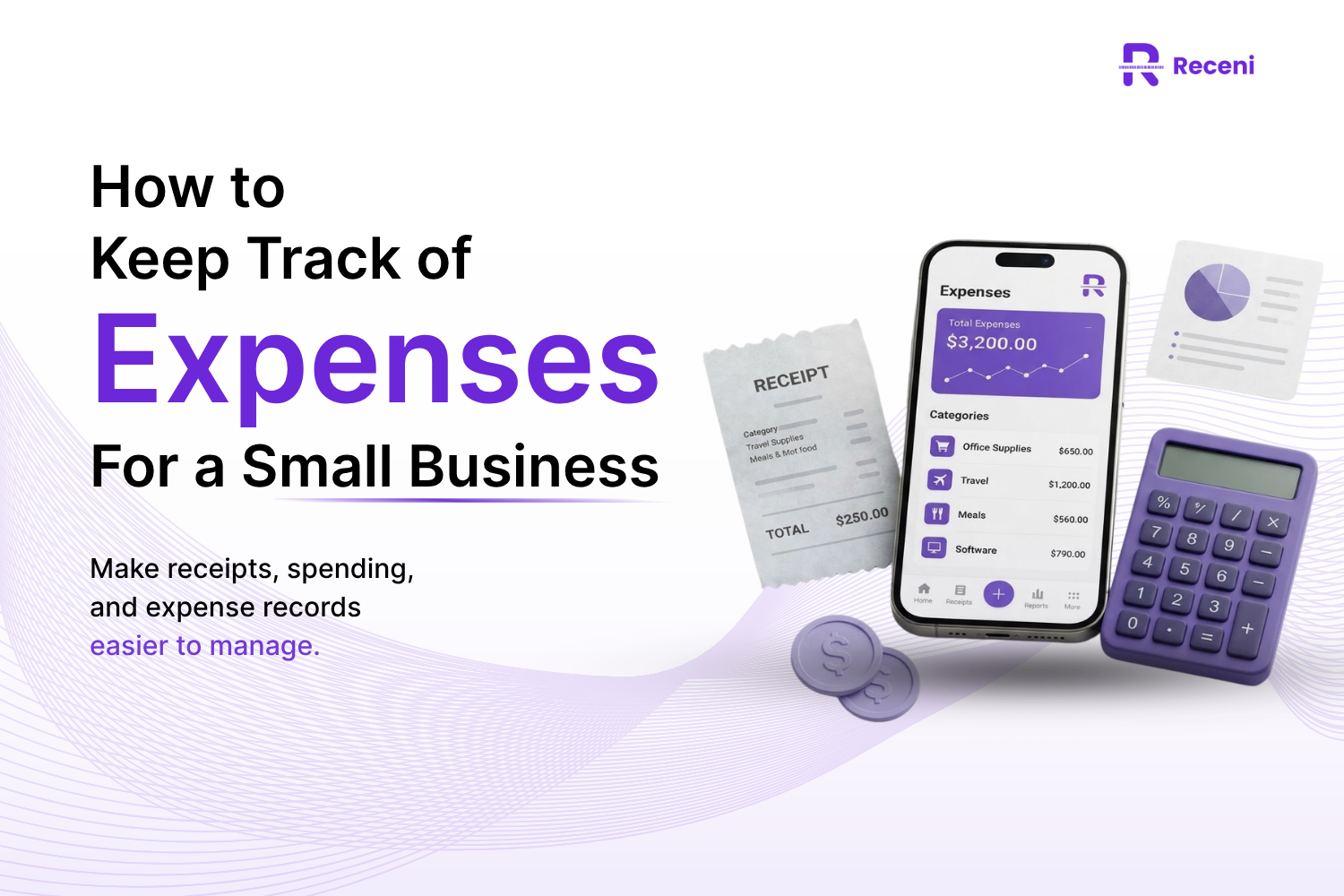
Receni uses workspaces to separate personal and business spending. It also supports categorized records and CSV exports for bookkeeping and tax preparation.
This is particularly useful for freelancers and small-business owners who need to understand both their household spending and business costs.
A personal finance application does not replace accounting software or professional tax advice. But it can make the everyday task of keeping financial records much easier.
5. Turn Expense Tracking Into Better Saving Decisions
Tracking expenses only becomes valuable when the information changes what you do next.
Suppose you discover that you spend $180 a month on takeout. You do not necessarily need to eliminate it.
Instead, you could set a realistic target of $120 and redirect the $60 difference toward savings.
That is a much more useful approach than simply saying, “I need to spend less.”
Planning can help you see the relationship between spending limits and your financial goals. The FDIC also recommends setting an amount and timeframe for savings goals so larger goals can be broken into manageable amounts.
The process can be simple:
Track → Review → Adjust → Save → Repeat
Your personal finance management app Receni should make this cycle easy enough to follow every month.
The important point is that saving does not always require a dramatic lifestyle change. Sometimes, identifying two or three recurring spending patterns is enough to create room for savings.
6. Free Personal Finance Apps vs Paid Apps
You do not necessarily need an expensive financial platform to start managing your money.
There are many personal finance apps free to use, but free does not always mean useful. Look at what the app actually lets you do.
For example, check whether the free version includes:
Expense tracking
Categories
Budgets
Spending reports
Receipt capture
Data export
Multiple currencies
Separate personal and business records
If you only need basic tracking, a free expense manager app free option may be enough.
Receni currently offers a free plan with 30 AI receipt scans per month, unlimited manually entered receipts, budgets, spending insights, CSV export, and multi-currency support.
Paid plans make more sense when you need higher usage or additional features.
The right choice is not the app with the longest feature list. It is the one that solves your actual problem without making money management feel like another job.
7. Choosing the Right Personal Finance App for Your Situation
There is no single best app for everyone.Someone who wants to monitor household spending has different needs from a freelancer tracking business expenses.
Before choosing a simple personal finance app, consider what you actually need.
If you are new to budgeting
Look for straightforward categories, spending summaries, and easy budgets. A complicated system can make it harder to build the habit.
If you are self-employed
Look for personal and business separation, receipt organization, mileage tracking, and export options.
If you manage money with a partner
Look for personal finance apps for couples that make shared spending visible without forcing both people to manage every transaction manually.
If you prefer mobile tracking
A money management app Android or iOS app should make capturing an expense quick enough to do immediately.
If you want everything online
An online personal finance app can be useful if you prefer accessing your information across devices rather than keeping it in a spreadsheet.
The best personal finance assistant app is ultimately the one you will keep using.
8. Common Money-Management Mistakes
Technology cannot fix every financial problem, but it can reduce some of the everyday mistakes that make money harder to manage.
Not recording small purchases
A $5 or $10 purchase may not seem important. But repeated small expenses can add up.
Waiting until the end of the month
If you only review spending after the money is gone, you have limited opportunity to change your behavior.
Forgetting irregular expenses
Annual subscriptions, insurance payments, gifts, repairs, and travel can disrupt a budget if they are ignored.
Mixing personal and business expenses
This makes it harder to understand your real personal spending and business costs.
Setting unrealistic limits
A budget that is impossible to follow will probably be abandoned.
Tracking without reviewing
Collecting hundreds of transactions does not automatically improve your finances. You need to look for patterns and make decisions from them.
A personal finance and budgeting apps setup works best when tracking and reviewing become part of the same routine.
9. A Simple Monthly Routine for Smarter Money Management
You do not need to spend hours every weekend reviewing your finances.
Try a 20-minute monthly routine.
Step 1: Check your income.
Know how much money actually came in during the month.
Step 2: Review your spending.
Look at your largest categories first. Do not get distracted by every small transaction.
Step 3: Compare spending with your budget.
Find categories where you stayed on track and categories where you went over.
Step 4: Identify one or two changes.
Do not try to completely redesign your lifestyle. Choose changes you can realistically maintain.
Step 5: Set next month's limits.
Use this month's actual numbers instead of guessing.
Step 6: Decide what you will save.
Give your savings a specific amount and purpose.
Receni a personal finance management app makes this routine easier because the information is already organized when you need it.
The Bottom Line
Personal finance does not have to mean complicated spreadsheets, restrictive budgets, or hours spent entering transactions.The better approach is to start with what is actually happening with your money.
Track your spending. Understand your patterns. Set realistic limits. Then use what you learn to make better saving decisions.
Receni a personal finance management app can help bring those steps together in one place, especially if it makes expense tracking quick and gives you useful information instead of overwhelming you with features.
If you want to start with your actual spending, Receni lets you capture receipts, organize expenses, create budgets, view spending insights, and export your records when needed.
You can explore Receni's budget tracking features or see how it compares with another popular expense platform in the Receni vs. Expensify comparison.
The goal is simple: know where your money goes today so you can make better decisions about where it goes tomorrow.